
Reflecting on Choices: An Epic Showdown Between Acrylic Mirrors and Glass Mirrors

Think about it: Mirrors are a constant in our lives, yet we rarely stop to appreciate them.
Whether it's your quick check in the morning, a last-minute glance before a date, or straightening a stubborn shirt collar, they're just there.
And they do their job without a word. But choosing the right mirror? That's a whole other story. Enter the showdown: acrylic mirrors vs. glass mirrors. Sounds simple, right?
But when you're designing a camper van, creating a kid-safe nursery, or just trying to save your back from lugging heavy glass, the choice suddenly feels like a much bigger deal.
At first glance, it's easy to assume all mirrors are pretty much the same.
But trust me, if you dig a little deeper—don't worry, no shards involved—there's a surprising world of differences hiding beneath the surface.
Acrylic, also known as PMMA (a mouthful that we'll just keep calling acrylic), is a lightweight, shatter-resistant upstart.
On the other hand, glass mirrors have been the go-to for centuries, known for their clarity, durability, and timeless charm.
Yet today's world is a little more complicated. Tastes are changing, priorities are shifting, and safety and convenience are higher up on the list than ever before.
So, how do you choose? Over the next few sections, we'll break it all down—history, pros and cons, environmental impact, and even a sprinkle of humor to keep things light. By the end, you'll not only know which type of mirror works best for you but might even find yourself weirdly excited about the whole process. Grab a cup of coffee, settle in, and let's get reflective (pun intended). Shall we?

Table of Contents
1. A Brief History & Cultural Influence – From Ancient Reflections to Modern Realities
2. Manufacturing Secrets – Crafting Modern Reflections
3. The Physical Breakdown – Weight, Durability & Clarity
4. Safety & Practical Applications – Real-World Scenarios
5. Design, Style & Décor Considerations – Aesthetic Adventures
6. Installation, Maintenance & Cost – Keeping Things Crystal Clear
7. Sustainability & Environmental Concerns – Going Green Behind the Scenes
8. Comparative Charts, Testimonials & Case Studies – The Moment of Truth
9. Conclusion & Future Innovations – Reflecting Forwards
#1 A Brief History & Cultural Influence – From Ancient Reflections to Modern Realities
Mirrors have been part of human history for thousands of years. While we might think of them today as everyday items, they once carried powerful symbolism.
Whether it was polished bronze in ancient Egypt or a high-tech acrylic sheet in a modern playroom, mirrors have always reflected more than just our faces—they reflect our culture, priorities, and innovations.

The Dawn of Reflections – Ancient Times
Ancient civilizations weren't exactly working with Windex and wall mounts, but they made it work:
Polished Metals: Egyptians, Greeks, and Romans used copper and bronze to create early mirrors. They weren't perfect—think of a blurry, hazy reflection—but they did the trick.
Obsidian Mirrors: The Maya and Aztecs crafted these stunning mirrors from volcanic glass. They weren't just for checking appearances; they were spiritual tools believed to open portals to other realms.
Gold and Silver: For the elites in ancient China and India, reflective surfaces were as much a symbol of wealth as they were practical tools.
Back then, mirrors weren't just household items—they were steeped in mysticism and metaphors, seen as windows to the soul or truth. Amazing, right?
Glass Enters the Scene – The Renaissance Revolution
Fast-forward a few thousand years, and Europe's Renaissance wasn't just about art and science; it brought glass mirrors into the spotlight.
Venetian Masterpieces: By the 1500s, Venetian glassmakers had perfected the art of creating glass mirrors using tin and mercury. They were so exclusive that owning one was like owning a luxury car today.
Symbol of Wealth: In this era, mirrors were all about status. If you had one, you were someone important—or at least wealthy enough to pretend.
With industrialization in the 19th century, mirrors became cheaper to produce. Suddenly, mirrors were no longer reserved for kings and queens. Now, they were for everyone—and they started to pop up in homes across the world.
Enter Acrylic – The Modern Disruption
Acrylic mirrors were introduced in the 20th century and quickly became a game-changer. They're practical and, let's face it, a little more forgiving than glass.
Lightweight: Imagine hauling a heavy glass mirror up the stairs. Now imagine how much easier it is when it's half the weight. That's acrylic.
Shatter-Resistant: Acrylic mirrors don't break into dangerous shards, which makes them perfect for homes with kids or clumsy adults (no judgment).
Customizable: Want a mirror shaped like a heart or crescent moon? Acrylic's your best bet.
Affordable: Large project? Temporary space? Acrylic mirrors are often more budget-friendly.
Acrylic mirrors found their niche in places where safety, weight, and creativity mattered—playrooms, gyms, camper vans, and even luxury yachts.
Acrylic vs. Glass: A Cultural Tug-of-War
Even with all its perks, acrylic hasn't fully replaced glass. Why? Because glass mirrors have something acrylic can't replicate: tradition and timeless elegance.
Glass: Think Victorian halls, Renaissance palaces, or sleek modern interiors. Glass is sharp, clear, and oozes sophistication. It's the 4K resolution of mirrors.
Acrylic: On the flip side, acrylic appeals to innovators. It's safe, versatile, and perfect for projects where creativity and practicality meet.
So, what's the answer to this cultural debate? Honestly, it's not one or the other—it's both.
Here's Why:
Coexistence Rules: Glass brings timeless beauty; acrylic brings modern convenience. Together, they can cover all your design and functional needs.
Room to Blend: Designers are increasingly using glass for formal spaces and acrylic for fun, functional, or safety-focused areas.
A Greener Future? While glass is more eco-friendly to produce, advances in acrylic recycling might just balance the scales in the future.
Conclusion – Reflecting on the Journey
From ancient obsidian to modern-day acrylic, mirrors have always been about more than just seeing ourselves—they reflect who we are as a society. Glass stands for tradition and clarity, while acrylic embraces creativity, practicality, and safety.
So, whether you're aiming for a Venetian palace vibe or creating a kid-friendly playroom, there's a perfect mirror for you. And who knows? As technology evolves, we might even get hybrid mirrors that combine the best of both. Until then, the acrylic vs. glass debate will keep us guessing—and reflecting (last pun, I promise).
So, what's your pick?
#2 Manufacturing Secrets – How Modern Mirrors Are Made
Mirrors might look simple—just shiny surfaces we check for stray hairs or crooked ties—but creating them? That's a whole different story.
Behind every polished pane or gleaming acrylic sheet is a fascinating blend of science, craftsmanship, and clever engineering.
While glass and acrylic mirrors both perform the same function, their manufacturing processes are as different as night and day. Let's take a peek behind the scenes.

The Art of Glass Mirror Production
Making a glass mirror is a delicate balance of tradition, high heat, and precision. Here's how it happens:
Melting the Ingredients: It all starts with natural materials—silica sand, soda ash, and limestone. These are melted at over 1,700°C (yep, hotter than molten lava!) until they form a liquid.
Shaping the Glass Pane: Molten glass is poured onto a flat surface or floated over molten tin in the float glass process, which ensures the sheet is perfectly smooth and even.
Adding the Reflective Backing: Once the glass cools, it's coated with a thin layer of reflective metal, usually silver or aluminum. Sometimes, even gold is used for specialty mirrors. Chemicals and heat are then applied to bond the coating.
Sealing It All In: To protect the reflective layer from scratches, moisture, or corrosion, manufacturers add a paint backing. And voilà, you have a glass mirror ready to hang in your bathroom or grand hall.
The result? A durable, crystal-clear mirror that can last for decades. But making glass mirrors isn't exactly easy—glass is heavy and fragile and requires careful handling from start to finish.
Acrylic Mirrors: Science Meets Flexibility
Acrylic mirrors take a more modern, high-tech approach, blending chemical wizardry with adaptability. Here's how they're made:
Creating the Base Material: Acrylic starts with petroleum-based chemicals that are processed into polymethyl methacrylate (PMMA). This material is cast into sheets using either extrusion (for thinner sheets) or cell-casting (for higher quality).
Adding the Reflective Coating: The acrylic sheets are placed in a vacuum chamber where metals like aluminum are vaporized and deposited onto the surface, creating the reflective layer.
Applying Protective Layers: To prevent scratches or UV damage, additional coatings or films are applied to the reflective surface.
Shaping and Customizing: This is where acrylic really shines—literally and figuratively. It can be laser-cut, heat-molded, or bent into all kinds of unique shapes, making it a designer's dream.
Acrylic mirrors are lightweight and shatter-resistant, which makes them great for areas where safety or portability matters. The downside? They're more prone to scratches, so those protective layers aren't optional—they're a must.
Glass vs. Acrylic: A Head-to-Head Comparison
Here's a quick breakdown of how the two manufacturing processes stack up:
Aspect | Glass Mirror | Acrylic Mirror |
Base Material | Silica sand, soda ash, limestone | Petroleum-derived PMMA |
Reflective Coating | Silver, aluminum, or gold | Vaporized aluminum or other metals |
Production Process | High-temperature melting | Lower-temp chemical processing |
Customizability | Limited shapes | Easily shaped, bent, or drilled |
Durability | Scratch-resistant, shatters | Scratch-prone, shatter-resistant |
Environmental Impact | Recyclable indefinitely | Limited recycling, fossil-based |
Handling | Heavy, fragile | Lightweight, easy to handle |
Manufacturing Pros and Cons
Glass Mirror Advantages:
Highly durable and resistant to scratches.
Uses natural materials that are easy to recycle.
Offers distortion-free reflections, making it perfect for precision uses.
Glass Mirror Challenges:
Requires heavy machinery and high energy during production.
Fragile, making transportation and customization trickier.
Acrylic Mirror Advantages:
Lightweight and easy to carry or install.
Highly flexible for custom shapes, creative designs, or funky projects.
Shatter-resistant, making it ideal for kids' rooms, gyms, or travel.
Acrylic Mirror Challenges:
Scratches more easily than glass.
Limited recycling infrastructure.
Its petroleum-based production raises sustainability concerns.
Innovations Bridging the Gap
With technology improving every day, the lines between glass and acrylic are starting to blur:
Better Acrylic Coatings: Advances in scratch-resistant and UV-protective coatings are making acrylic more durable than ever.
Tempered Glass: Heat-treated glass mirrors are now lighter and more resilient, closing the gap between the two materials.
Hybrid Materials: Some manufacturers are experimenting with composites that blend the clarity of glass with the flexibility of acrylic.
Which Is Easier to Produce?
Honestly, it depends on what you're looking for. Glass mirrors use abundant natural materials but require intense heat and careful handling. Acrylic mirrors rely on complex chemical processes but are quicker to produce and easier to customize. Both processes involve quality control at every step to make sure the finished product is as flawless as possible.
The Bigger Picture
The creation of mirrors is an incredible blend of science and artistry. Glass mirrors reflect tradition, durability, and pristine clarity, while acrylic mirrors represent flexibility, safety, and modern design. Each has its own strengths and weaknesses, and the choice often comes down to what matters most for your project.
So, the next time you catch your reflection, take a second to appreciate the hard work that went into crafting that sleek, shiny surface. And, if you're still deciding between glass and acrylic, ask yourself: What story do you want your mirror to tell?
#3 The Physical Breakdown – Weight, Durability & Clarity
When it comes to choosing between acrylic and glass mirrors, three key factors tend to rise to the top: weight, durability, and clarity. These aren't just minor details—they're the deal-breakers (or deal-makers) depending on your specific needs. Let's break it down and help you figure out which type fits your lifestyle best.

1. Weight: Featherlight or Heavyweight?
Let's start with the most noticeable difference: weight. Glass mirrors are heavier, while acrylic ones are much lighter.
Glass Mirrors:
Dense and sturdy but, unfortunately, a bit of a pain to move or hang.
Large glass mirrors require heavy-duty wall anchors or brackets for safety.
Not ideal for situations where portability or weight limits matter.
Acrylic Mirrors:
Weigh about half as much as glass, making them far easier to handle.
A perfect choice for RVs, boats, or oversized mirrors on delicate walls.
The lightweight design is a major bonus for anyone who likes rearranging or experimenting with decor.
Real-Life Examples:
If you're mounting a huge mirror above a couch, acrylic is the safer, easier option.
If you want a permanent, classy feature for your foyer or dressing room, glass brings that timeless elegance.
2. Durability: Strength Where It Counts
Durability is where acrylic really proves its worth, especially if safety is a big concern.
Glass Mirrors:
Fragile and prone to shattering into sharp, dangerous shards.
Tempered glass offers some protection, but it's still not foolproof.
Acrylic Mirrors:
Shatter-resistant—if it breaks, it tends to crack into larger, less harmful pieces.
Flexes under impact instead of snapping, making it an excellent choice for homes with kids, pets, or clumsy adults.
Fun Fact: Drop a ball on an acrylic mirror, and you might get a scuff. Do the same with a glass mirror, and you'll be sweeping up shards from the floor (and maybe rethinking life choices).
3. Clarity: Crystal-Clear or "Good Enough"?
At the end of the day, a mirror's primary job is to give you a clean, accurate reflection. And this is where glass takes the lead.
Glass Mirrors:
They are known for their distortion-free clarity, even in large sizes.
Ideal for spaces where precision matters—think bathrooms, makeup stations, or dressing rooms.
Acrylic Mirrors:
Reflective and shiny but prone to slight distortion, especially in larger panes.
Great for smaller accents or areas where minor imperfections aren't a dealbreaker.
Quick Tip: Acrylic's distortion is barely noticeable for small or decorative mirrors. But for full-length or wall-spanning mirrors, glass is the better option for a clearer, sharper view.
4. Scratch Resistance: The Battle of Smooth Surfaces
When it comes to wear and tear, glass mirrors are the clear winner.
Glass Mirrors:
Naturally, it is more resistant to scratches and easier to clean with regular glass cleaners.
Casual wiping or frequent cleaning won't leave noticeable marks.
Acrylic Mirrors:
More prone to scratches, which means you'll need to use softer cloths (like microfiber) and gentler cleaning solutions.
Newer acrylic mirrors come with scratch-resistant coatings, but they're not quite as durable as glass.
Pro Tip: If your mirror is in a high-traffic area or will be cleaned often, glass requires less maintenance and stays looking pristine longer.
Summary: Glass vs. Acrylic at a Glance
Here's a quick side-by-side comparison to make your decision even easier:
Factor | Glass Mirror | Acrylic Mirror |
Weight | Heavier, harder to handle | Lightweight, easy to install |
Durability | Shatters into sharp pieces | Shatter-resistant, safer |
Clarity | Perfect, distortion-free | Slight distortion in large panes |
Scratch Resistance | Highly scratch-resistant | Needs gentle care, prone to scratches |
Best Use Cases | Bathrooms, dressing rooms, permanent fixtures | Gyms, kids' rooms, portable décor |
Balancing the Pros and Cons
There's no "one-size-fits-all" answer here—it all depends on your priorities.
Choose Glass If…
You need flawless clarity for bathrooms, vanities, or dressing areas.
You don't mind the extra weight and want something permanent.
Aesthetics and elegance are your top priorities.
Choose Acrylic If…
Safety is your number-one concern, especially in kid-friendly spaces.
You need something lightweight for portability or fragile walls.
You want to experiment with funky shapes or designs that glass just can't offer.
Final Reflection
So, who's the winner in this acrylic vs. glass battle? Well, there isn't a universal answer because each material shines (literally) in its own way. Glass delivers unparalleled clarity and a classic aesthetic, while acrylic offers safety, flexibility, and convenience.
At the end of the day, your choice boils down to what matters most in your specific situation—whether it's safety, clarity, ease of use, or a combination of all three. And hey, isn't that what life is all about? Balancing beauty and practicality in just the right proportions.
Now it's your turn: Which reflection feels more like you?
#4 Safety & Practical Applications – Real-World Scenarios
When deciding between acrylic and glass mirrors, the conversation often shifts to safety and practicality—because, let's face it, life isn't exactly gentle. From chaotic family homes to on-the-go RVs, every setting has unique demands. Let's explore how these two materials perform in the real world.
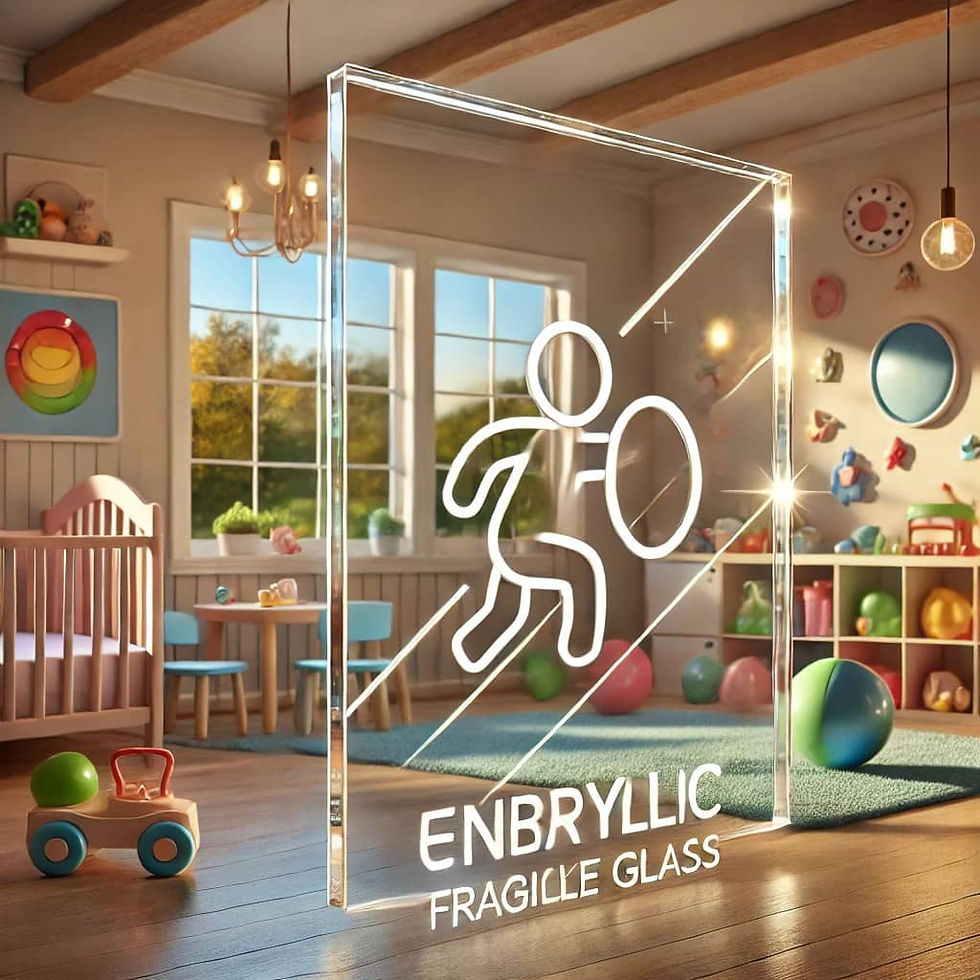
1. The Family Home – Safety First, Always
Picture it: kids darting across the room, pets knocking things over, and the occasional clumsy guest dropping something. In a house full of life (and potential chaos), the mirror you choose needs to handle a bump or two.
Glass Mirrors:
Beautiful, crisp, and elegant, but not very forgiving.
If broken, it will shatter into sharp, hazardous pieces—definitely not ideal for playrooms, nurseries, or hallways where accidents can happen.
Acrylic Mirrors:
Shatter-resistant and far safer. If they crack, they don't send sharp shards flying.
A clear winner for areas where little ones or curious pets roam.
Pro Tip: Use acrylic mirrors in high-traffic or kid-friendly zones like playrooms or hallways. Save glass mirrors for low-risk areas like the master bedroom or above furniture that keeps them out of reach.
2. Fitness Studios & Dance Spaces – Safety Meets Durability
Gyms, dance studios, and sports facilities are bustling with activity. Here, mirrors aren't just decorative—they're essential tools for checking form, posture, and movement.
Glass Mirrors:
Deliver unmatched clarity, which is critical for detailed reflections during workouts or choreography.
But here's the downside: a stray dumbbell or dance mishap can result in dangerous, costly shattering.
Acrylic Mirrors:
Reflective enough for most uses, with minimal distortion.
Can take hits without shattering, bending under pressure instead.
Practical Win: In high-energy environments, acrylic mirrors provide peace of mind. A scuff is much easier (and cheaper) to handle than a room full of broken glass.
3. Mobile & Outdoor Applications – Flexibility on the Go
Whether you're cruising in an RV, sailing on a yacht, or hosting an outdoor event, mirrors need to be durable, lightweight, and ready for the unexpected.
Glass Mirrors:
Heavy and fragile, which makes them a risky and impractical choice for mobile spaces.
Breakage during travel can be costly and dangerous.
Acrylic Mirrors:
Lightweight, which reduces the strain on vehicles and boosts fuel efficiency.
Highly resistant to damage from bumps, jolts, or rough handling.
Outdoor Use: Acrylic also holds up better in outdoor settings. Add a UV coating to protect against yellowing or weather-related wear, and you're good to go.
4. Events & Temporary Décor – Style Without Stress
Planning a wedding, corporate event, or fashion show? Mirrors can be the centerpiece of your décor, but they also need to be practical for short-term use.
Glass Mirrors:
Stunning but heavy and fragile. Transporting and installing them for temporary setups is no small feat.
Higher costs make them less appealing for short-term or large-scale projects.
Acrylic Mirrors:
Lightweight, easy to move, and simple to install.
Perfect for creating eye-catching designs—think mirrored dance floors, reflective photo booths, or statement backdrops—without the stress of potential breakage.
Event Planner's Favorite: Acrylic mirrors make event décor hassle-free, combining practicality with striking visuals.
5. Public Spaces – Safety That Meets the Code
Safety regulations often require materials that can handle high traffic and minimize risk in places like malls, hospitals, offices, and daycare centers.
Acrylic Mirrors:
Comply with safety codes while maintaining a polished, professional look.
Commonly used in elevators, lobbies, and public bathrooms where accidents are more likely.
Glass Mirrors:
While visually appealing, their fragility limits their use in busy or high-risk areas.
Did You Know? Acrylic mirrors, thanks to their shatter-resistant properties, are frequently chosen for child-focused areas like schools and daycare centers.
The Trade-Offs: Addressing the Downsides
It's true—acrylic mirrors have their flaws. They're more prone to scratches, and without proper maintenance, they can lose some clarity over time. But in high-risk or active spaces, their safety and versatility far outweigh these downsides.
Meanwhile, glass mirrors excel in elegance, scratch resistance, and perfect clarity, but their weight and fragility make them less practical in many everyday scenarios.
Summary: When to Choose Glass vs. Acrylic
Here's a quick cheat sheet to help you decide:
Scenario | Glass Mirror | Acrylic Mirror |
Family Home | Elegant but risky | Shatter-resistant, child-safe |
Gym/Dance Studio | Clear reflection but fragile | Durable, safer for active spaces |
RV or Yacht | Heavy and breakable | Lightweight and robust |
Outdoor Use | Prone to weathering | UV-coated for durability |
Event Décor | Expensive and cumbersome | Cost-effective, easy to transport |
Public Spaces | Limited by safety regulations | Meets safety codes with ease |
Final Thought: Choose What Fits Your Life
When safety and practicality are key, the right mirror choice comes down to your specific needs. Are you looking for elegance and clarity, or do you need something that can take a hit?
Glass is perfect for low-risk, permanent spaces where timeless beauty and crystal-clear reflections matter most.
Acrylic shines in dynamic, high-energy environments where safety, durability, and flexibility are non-negotiable.
There's no one-size-fits-all answer. But one thing's for sure—whether you go with acrylic or glass, your mirror will be more than just functional. It'll reflect your priorities, your lifestyle, and your world.
So, which one fits your scenario best?
#5 Design, Style & Décor Considerations – Aesthetic Adventures
Mirrors don't just show us our reflection—they bring depth, light, and personality to any space. Whether you're drawn to timeless elegance or bold, contemporary designs, mirrors play a starring role in shaping your décor. So, how do glass and acrylic mirrors stack up when it comes to aesthetics, creativity, and versatility? Let's explore the possibilities and help you decide what works best for your style.

1. Glass Mirrors – Timeless Elegance
Glass mirrors are the definition of classic. They exude sophistication and pair seamlessly with almost any design style. Here's why they're a favorite among designers:
Crisp Shine and Clarity: Glass offers unmistakable polished gleam and distortion-free reflection. It's what you reach for when you want things to feel sharp and refined.
Timeless Appeal: Glass mirrors adapt effortlessly to any setting, whether vintage or modern. Picture these:
A frameless, minimalist mirror in a spa-like bathroom—clean and serene.
A large, ornate, gilded mirror in a dining room—pure Old-World luxury.
Material Compatibility: Glass works well with rich woods, sleek metals, and textured materials. It's a neutral yet powerful design element.
Where They Shine:
Bathrooms: Glass is a must for vanity mirrors, where perfect clarity matters.
Dining Rooms: Use oversized glass mirrors to add light and grandeur.
Living Rooms: Statement pieces like round or arched glass mirrors are elegant focal points.
Design Tip: Framing can completely change the vibe of a glass mirror. Rustic wooden frames bring farmhouse charm, while geometric metal frames lean contemporary.
2. Acrylic Mirrors – Unleashing Creativity
Glass mirrors may be the classic choice, but acrylic mirrors open the door to endless creativity. Their lightweight, versatile nature allows for bold, modern designs. Here's why they're perfect for the adventurous decorator:
Custom Shapes: Acrylic can be cut into just about any shape. Stars, hearts, clouds, abstract squiggles—anything goes!
Large-Scale Installations: Acrylic's light weight makes it ideal for oversized or wall-spanning mirrors, especially in spaces where structural support is limited.
Playful Applications: Want a mirror that's both functional and fun? Acrylic fits the bill, especially in kids' rooms or artistic spaces.
Examples of Acrylic Magic:
Wall Panels: Create a floor-to-ceiling mirrored wall in a home gym or dance studio without worrying about glass weight or fragility.
Furniture Accents: Add reflective acrylic panels to coffee tables, headboards, or cabinet doors for a modern touch.
Event Décor: Acrylic mirrors are lightweight and easy to handle, making them perfect for weddings, fashion shows, and pop-up events.
Design Tip: Try layering smaller acrylic mirrors in geometric patterns to create eye-catching mosaics that play with light.
3. Mixing and Matching – Tradition Meets Innovation
Why settle for one when you can blend both? Combining glass and acrylic mirrors gives you the best of both worlds—classic refinement with a touch of modern flair.
How to Mix:
Entryway Foyer: Go for a classic glass mirror as the centerpiece for a polished first impression.
Hallways and Bedrooms: Add acrylic accents in playful shapes or arrangements for a pop of personality.
Bathroom Vanity: Stick with glass for clarity, but consider using acrylic mirrors as decorative borders or surrounding elements.
The mix-and-match approach lets you layer textures, materials, and styles, creating a space that feels unique to you.
4. Furniture and Beyond – Mirrors as Functional Art
Mirrors aren't just wall décor—they can be built into furniture or stand-alone art pieces. Acrylic, in particular, excels here because of its flexibility.
Mirrored Tables: Acrylic makes mirrored surfaces safer for everyday use, reducing the risk of breakage.
Mirror Mosaic Walls: Lightweight acrylic can bring this dazzling concept to life without the logistical nightmare of glass.
Artistic Features: Create abstract sculptures or 3D wall art using mirrored acrylic panels that bend and play with light.
Fun Fact: Acrylic mirrors can be heat-shaped into curves and waves, making designs possible that glass simply can't achieve.
5. Trends in Mirror Design
Mirror designs are always evolving, and the latest trends reflect a mix of bold creativity and functional beauty. Here's what's hot right now:
Statement Shapes: Irregular, asymmetrical mirror designs are on-trend. Acrylic's flexibility makes this easy to achieve.
Layered Mirrors: Stagger mirrors of different sizes and shapes to add visual depth.
Bold Frames: Pair minimalist glass mirrors with bright, colorful frames for a modern twist.
Mixed Materials: Combine mirrored acrylic panels with natural wood, concrete, or metal for a striking contrast.
Summary: Glass vs. Acrylic Décor at a Glance
Aspect | Glass Mirrors | Acrylic Mirrors |
Style | Timeless, classic, elegant | Bold, creative, modern |
Custom Shapes | Limited to simple shapes | Highly customizable |
Weight | Heavy, requires sturdy mounting | Lightweight, easy to install |
Durability | Fragile, prone to shattering | Shatter-resistant, safer for experiments |
Applications | Bathrooms, dining rooms, foyers | Kids' rooms, creative décor, large-scale installations |
Trends | Frameless, bold frames | Whimsical shapes, mosaics, large panels |
Final Thought: Choose Your Canvas
Mirrors aren't just functional—they're a reflection of your personality and style.
Glass mirrors are all about timeless elegance, offering pristine reflections and a touch of tradition.
Acrylic mirrors, on the other hand, are a daring, creative alternative, perfect for bold designs and modern spaces.
So, what's your vision? Whether you're going for a chic, classic vibe or letting your creative side run wild, mirrors are the perfect medium to tell your design story. And the best part? You don't have to pick just one—blend the two to create a space that's uniquely yours. After all, the best designs don't just reflect light—they reflect you.
#6 Installation, Maintenance & Cost – Keeping Things Crystal Clear
Mirrors can elevate any space, but let's be honest—beauty isn't the only thing you need to consider. Installation, upkeep, and cost often determine whether glass or acrylic is the better option for your project. Here's a breakdown of these practical factors so you can make the best choice for your home, studio, or budget.

1. Installation: Weight Matters
The first hurdle is getting the mirror on the wall, and here's where the material you choose plays a huge role.
Glass Mirrors:
Heavyweight Challenge: Glass mirrors are much heavier than their acrylic counterparts, especially in larger sizes. This means you'll need sturdy wall anchors and, in many cases, professional help.
Fragile & Tricky: Glass is prone to shattering if mishandled during installation, so it demands careful handling.
Labor Intensive: Hanging a glass mirror often requires multiple people to avoid accidents or strain.
Acrylic Mirrors:
Lightweight Winner: Acrylic mirrors are incredibly easy to carry, position, and mount—no heavy lifting required.
Flexible Mounting: You can use screws, brackets, or even strong double-sided tape for smaller acrylic mirrors.
DIY-Friendly: Perfect for those who like to handle projects solo without needing expensive tools or backup help.
Pro Tip: For large-scale installations like gym walls or dance studios, acrylic saves time, effort, and money compared to the heavy lifting required for glass.
2. Maintenance: Keeping It Looking Good
A mirror is only as good as how it looks day to day. Here's how the upkeep differs between glass and acrylic.
Glass Mirrors:
Low Maintenance Champ: Glass easily resists smudges and fingerprints, and cleaning it is a breeze with standard glass cleaners and a microfiber cloth.
Scratch-Proof Surface: Glass's hard surface is highly resistant to scratches, which means you don't need to baby it.
Timeless Durability: With minimal effort, glass mirrors can retain their pristine clarity for decades.
Acrylic Mirrors:
Handle with Care: Acrylic is softer than glass, so you'll need gentle cleaning methods. Skip abrasive cleaners and stick to microfiber cloths and mild cleaning solutions.
Scratch Repair Possible: Minor scratches on acrylic can often be buffed out with special polish, but this adds an extra step to maintenance.
Impact Resilient: Acrylic may scratch more easily, but it won't shatter if it falls, which makes it a safe option for lively households.
Pro Tip: If you have a busy home with kids or pets, acrylic mirrors may be the smarter, safer option—just be prepared to clean and maintain them with a little extra TLC.
3. Cost: What's the Price Tag?
When it comes to your wallet, both materials have their pros and cons depending on your priorities.
Glass Mirrors:
Standard Baseline: Glass mirrors are often considered the industry standard, with pricing that reflects their timeless appeal.
Shipping Adds Up: Because glass is heavy and fragile, shipping and handling costs can be higher.
Long-Term Value: If properly cared for, glass mirrors can last a lifetime, offering great bang for your buck in the long run.
Acrylic Mirrors:
Budget-Friendly for Big Projects: Acrylic mirrors are often more affordable, especially for custom shapes or large installations.
Cheaper to Ship: Their lightweight nature not only reduces shipping costs but also lowers the risk of damage during transport.
Shorter Lifespan: While cheaper upfront, acrylic mirrors may need replacing sooner in high-use areas due to scratches and wear.
Pro Tip: For temporary projects or when working on a budget, acrylic mirrors are a great choice that doesn't sacrifice style.
Quick Comparison: Installation, Maintenance, and Cost
Aspect | Glass Mirrors | Acrylic Mirrors |
Installation | Heavy, requires sturdy mounting; may need professional help. | Lightweight, easy to install; DIY-friendly. |
Maintenance | Durable and scratch-resistant; standard cleaning products work well. | Needs gentle care; scratches can occur but are repairable. |
Cost | Higher shipping and handling costs; long-lasting. | Potentially cheaper overall; lighter and safer to transport. |
When to Choose Glass vs. Acrylic
The decision often comes down to what matters most in your situation.
Choose Glass If...
You want hassle-free maintenance with minimal effort.
Long-term clarity and durability are key priorities.
You're installing a mirror in a permanent, low-risk environment.
Choose Acrylic If...
You need a lightweight, DIY-friendly solution for easy installation.
Safety is a top concern—think kids' rooms, gyms, or public spaces.
You're working with a tight budget or want a unique custom shape.
Final Thought: What's Your Reflection Worth?
At the end of the day, the choice between glass and acrylic mirrors is all about practicality and personal preference.
Glass mirrors are an investment in timeless beauty and durability, offering pristine reflections that can last a lifetime with little maintenance.
Acrylic mirrors shine when safety, affordability, or creative versatility is a priority. They're lightweight, easy to install, and adaptable to unique designs.
So ask yourself: Are you designing for permanence, or do you need a quick, cost-effective, and adaptable solution? Whatever you decide, the right mirror will not only reflect your image but also your priorities and style.
#7 Sustainability & Environmental Concerns – Reflecting on the Planet
Sustainability is no longer a bonus—it's a must-have in today's world. Even seemingly small choices, like the type of mirror you use, ripple outward to impact the environment. So, how do glass and acrylic mirrors compare when it comes to eco-friendliness? Let's dive deep into the green (or not-so-green) side of these reflective surfaces.

1. Raw Materials: Starting from Scratch
Let's look at where each material begins its life:
Glass Mirrors:
The Good: Made from abundant, natural materials like silica sand, soda ash, and limestone. It's a great start from an eco-perspective.
The Bad: Producing glass requires extremely high temperatures—think over 1,700°C—which means lots of energy and significant carbon emissions.
The Bonus: Glass can be recycled endlessly without losing quality. That's a big win for sustainability.
Acrylic Mirrors:
The Good: Acrylic is lightweight, which reduces fuel consumption during shipping and transport.
The Bad: Acrylic is a petroleum-based material, which ties it to fossil fuel extraction and the environmental issues that come with it. Recycling is possible but requires specialized facilities, which aren't widely available.
A Bright Spot: Innovations in bio-based acrylics (made from renewable resources) are promising a more sustainable future.
Verdict: Glass gets points for being made from natural materials and its recyclability, but its energy-hungry production process hurts its score. Acrylic's petroleum roots are a concern, though its lighter weight helps reduce its environmental impact in other areas.
2. Manufacturing: Energy Use & Carbon Emissions
What happens during production can make or break sustainability efforts:
Glass Production:
Glass needs a lot of heat—so, it's highly energy-intensive.
The reflective coatings (like silver or aluminum) often require chemicals that aren't exactly eco-friendly.
Acrylic Production:
Acrylic is made at much lower temperatures, which means less energy is used during production.
However, its reliance on fossil fuel derivatives still gives it a hefty carbon footprint.
Pro Tip: Some manufacturers are starting to use renewable energy sources to power production, so it's worth looking into brands that prioritize greener practices.
3. Durability & Longevity: The Less You Replace, the Better
The longer your mirror lasts, the less waste you generate. So, which one stands the test of time?
Glass Mirrors:
With proper care, a glass mirror can last decades—or even longer.
Thanks to its scratch-resistant surface, replacements are rare, making it a more sustainable choice for permanent spaces.
Acrylic Mirrors:
Acrylic's shatter-resistant nature makes it ideal for environments where glass would break (like gyms or playrooms).
However, acrylic is more prone to scratches and UV yellowing, which could mean replacing it sooner in high-use areas.
Insight: Glass is the better option for long-term durability, but acrylic's ability to withstand impact may make it a greener choice in environments where breakage is common.
4. Recycling & End-of-Life: The Final Chapter
What happens when your mirror's time is up?
Glass Mirrors:
Glass can be recycled indefinitely, but there's a catch—reflective coatings (like silver) need to be removed first. This extra step can discourage recycling in some cases.
Broken glass mirrors can still be melted down and reused, making glass a strong contender for circular sustainability.
Acrylic Mirrors:
Acrylic can technically be recycled, but only in specialized facilities. In many regions, this isn't an option, meaning used acrylic often ends up in landfills.
Until innovations in biodegradable or easily recyclable acrylics become widespread, end-of-life disposal remains a challenge.
Tip: If recycling options are important to you, glass is currently the better bet—but keep an eye on advancements in acrylic recycling technology.
5. Transportation: The Carbon Footprint of Moving Mirrors
How much energy does it take to ship mirrors from Point A to Point B?
Glass Mirrors:
Glass's heavyweight nature means higher emissions during shipping.
Fragility increases the risk of breakage in transit, which can lead to wasted materials.
Acrylic Mirrors:
Acrylic's lightweight nature cuts down on transportation emissions and makes shipping cheaper.
Its shatter-resistant properties reduce product loss during shipping.
Takeaway: Acrylic wins this round—it's easier on the planet (and your wallet) when it comes to transportation.
6. Innovation in Sustainability: A Brighter Future?
Both materials are benefiting from exciting advancements in eco-friendly practices:
Glass Manufacturers:
Investing in renewable energy for production.
Experiment with non-toxic, environmentally friendly reflective coatings.
Acrylic Developers:
Researching bio-based alternatives that use renewable resources instead of petroleum.
Rolling out take-back programs to recycle used acrylic mirrors, closing the loop on waste.
What's Next?: Hybrid materials that combine the best of both worlds—glass clarity with acrylic's flexibility and lightweight design—could completely transform the market.
Summary: Sustainability Showdown
Aspect | Glass Mirrors | Acrylic Mirrors |
Raw Materials | Natural, abundant | Petroleum-derived |
Manufacturing | Energy-intensive, high emissions | Lower temps, still fossil-dependent |
Recyclability | Infinitely recyclable | Limited recycling infrastructure |
Durability | Long-lasting, scratch-resistant | Durable but prone to scratches |
Transportation | Heavy, higher emissions | Lightweight, lower emissions |
Future Innovation | Green energy, eco coatings | Bio-based alternatives, recycling programs |
Final Thought: Choosing the Greenest Reflection
If sustainability is a priority for you, the choice between glass and acrylic mirrors isn't black and white—it's all about what aligns with your values and needs:
Choose Glass if recyclability and long-term durability are your top priorities. Glass mirrors last longer, are easier to recycle, and align well with a closed-loop sustainability mindset.
Choose Acrylic if you're focused on reducing transportation emissions, need something shatter-resistant, or value lightweight convenience. While not perfect, acrylic is making strides toward greener production methods.
No matter which you choose, the greenest option is the one sourced responsibly. Look for manufacturers using recycled materials, renewable energy, or innovative eco-initiatives. Because at the end of the day, your mirror shouldn't just reflect your image—it should reflect your commitment to the planet.
So, what story will your next mirror tell about your environmental values? 🌿
#8 Comparative Charts, Testimonials & Case Studies – The Moment of Truth
Now that we've broken down every angle of the glass vs. acrylic mirror debate let's wrap things up with an easy-to-read comparison chart, real-world testimonials, and a few relatable case studies. By the end of this guide, you'll know exactly which material matches your needs—and why.

Comparison Table
Factor | Glass Mirror | Acrylic Mirror |
Weight | Heavier, challenging to handle | About 50% lighter |
Durability | Breaks into shards poses safety risk | Shatter-resistant, much safer |
Clarity | Near-perfect, distortion-free | Minor distortion, especially in large panes |
Scratch Resistance | High, resists scratches well | Softer surface needs gentler care |
Installation | Heavy often requires professional help | Lightweight, DIY-friendly |
Maintenance | Standard cleaners, low-effort | Requires gentle cleaners and handling |
Cost | Higher shipping costs, traditional baseline | Budget-friendly, lighter to ship |
Sustainability | Infinitely recyclable, natural materials | Limited recyclability, petroleum-based |
Custom Shapes | Limited to simple forms | Highly customizable |
Hypothetical Testimonials
Sarah, Interior Designer: "My client's dance studio required safe, floor-to-ceiling mirrors. Acrylic allowed us to cover the entire space without worrying about anyone getting hurt. The kids love the full-length view, and no one's panicking about breakage!"
Marco, RV Enthusiast: "I needed mirrors in my camper van, but weight and fragility were big issues. Acrylic mirrors made my renovation stress-free, and they look fantastic. Sure, there's a tiny bit of distortion, but it's worth the peace of mind."
Emily, Homeowner: "I replaced my old glass mirror with acrylic in the kids' playroom. It's so much safer and lighter. Maintenance is a bit more careful, but it's worth knowing the kids can jump around without me freaking out about broken glass."
Adrian, Architect: "For a high-end hotel lobby, we insisted on glass mirrors—nothing beats that crystal-clear reflection. These guests expect perfection, and glass delivered. We used thick tempered glass for durability, and it's held up beautifully."
Case Studies
Case Study 1: The Modern Yoga Studio
Scenario: A yoga studio needed mirrors for posture alignment but was worried about breakage risks and liability insurance.
Solution: Acrylic mirrors were chosen for their lightweight and shatter-resistant properties.
Outcome:
Clients benefit from clear reflections on their practice.
The owner avoids the worry of shattered glass or legal issues if the equipment is dropped.
Minor drawback? Acrylic requires soft cloth cleaning to avoid scratches, but it's worth the trade-off for peace of mind.
Case Study 2: The Sustainable Retreat Center
Scenario: An eco-lodge wanted mirrors in their guest rooms to align with their "leave no trace" philosophy.
Solution: Glass mirrors made from recycled content, produced with renewable energy, were installed.
Outcome:
The lodge uses its eco-friendly choices as a unique selling point, attracting environmentally conscious guests.
Guests enjoy crystal-clear reflections, enhancing the premium experience.
While installation was more labor-intensive, the mirrors' long lifespan and recyclability align perfectly with the lodge's values.
Decision-Making Made Simple
Still on the fence? Here's a quick guide to help:
Choose Glass If...
You want perfect clarity for high-end or permanent installations.
Longevity and scratch resistance are your top priorities.
You're designing a space where aesthetics and tradition matter most—like a luxury lobby or classic dining room.
Choose Acrylic If...
Safety is your top concern (e.g., kids' rooms, gyms, or dance studios).
You need a lightweight, DIY-friendly solution for easy installation.
Your project involves creative shapes, portability, or budget-friendly options.
Final Thought: What's Your Reflection Worth?
By now, you've seen how both materials shine in different contexts. Glass offers timeless beauty, unmatched clarity, and longevity, making it the go-to for high-end or permanent spaces. Acrylic, on the other hand, is all about flexibility, safety, and affordability—perfect for active or creative spaces where practicality is key.
The choice ultimately comes down to your specific priorities:
Are you looking for durability and elegance that will last a lifetime? Go with glass.
Need something lightweight, shatter-resistant, or versatile? Acrylic might just be your perfect match.
At the end of the day, the right mirror doesn't just reflect your image—it reflects your needs, values, and vision. So, which one will you choose for your next project?
#9 Conclusion & Future Innovations – Reflecting Forwards
When it comes to mirrors, the choice between acrylic and glass goes far beyond aesthetics—it reflects your values, lifestyle, and the specific needs of your space.
Glass mirrors, with their timeless clarity, scratch resistance, and recyclability, remain the classic choice for those seeking a flawless, long-term solution.
On the other hand, acrylic mirrors, lightweight and shatter-resistant, speak to a more dynamic, safety-conscious, and creative market.
Whether you're decking out a family-friendly playroom or a luxury hotel lobby, your decision ultimately comes down to context.

Looking Ahead: The Future of Mirrors
The world of mirrors isn't static—it's evolving, and the future is full of exciting possibilities:
Better Acrylic Coatings: Advances in scratch-resistant coatings could dramatically improve acrylic's durability, bringing it closer to the longevity of glass.
Eco-Friendly Acrylic: As sustainability becomes a bigger focus, researchers are exploring bio-based acrylics that could significantly reduce environmental impact.
Hybrid Mirrors: Imagine mirrors that combine the clarity of glass with the lightweight, shatter-resistant properties of acrylic. Thin glass layers fused to acrylic backings could offer the best of both worlds.
Smart Mirrors: The next wave of innovation might blur the lines entirely. Digital mirrors, augmented reality overlays, or mirrors that adjust their reflective quality based on your needs could redefine how we think of these surfaces. A "smart mirror" that shifts from acrylic's versatility to glass-level resolution at the tap of a button? It may sound futuristic now, but so did making reflective surfaces from molten sand centuries ago.
A Personal Journey in Reflection
We've covered a lot of ground—historical roots, manufacturing processes, physical traits, safety considerations, design possibilities, installation tips, maintenance, cost, sustainability, testimonials, and even real-world case studies. Hopefully, these insights have helped you move beyond the shiny surface and understand the deeper layers of this decision.
So, what's your take? Will you embrace acrylic for its flexibility and safety, or stick with glass for its crystal-clear elegance and sustainability?
Final Question: What Will Your Mirror Say About You?
At the end of the day, choosing between acrylic and glass isn't just about function or form—it's about what fits your life, your values, and your vision. Whichever path you take, your choice will reflect not only your image but your priorities.
The real question is: What kind of reflection do you want to see looking back at you? 🌟



Comments